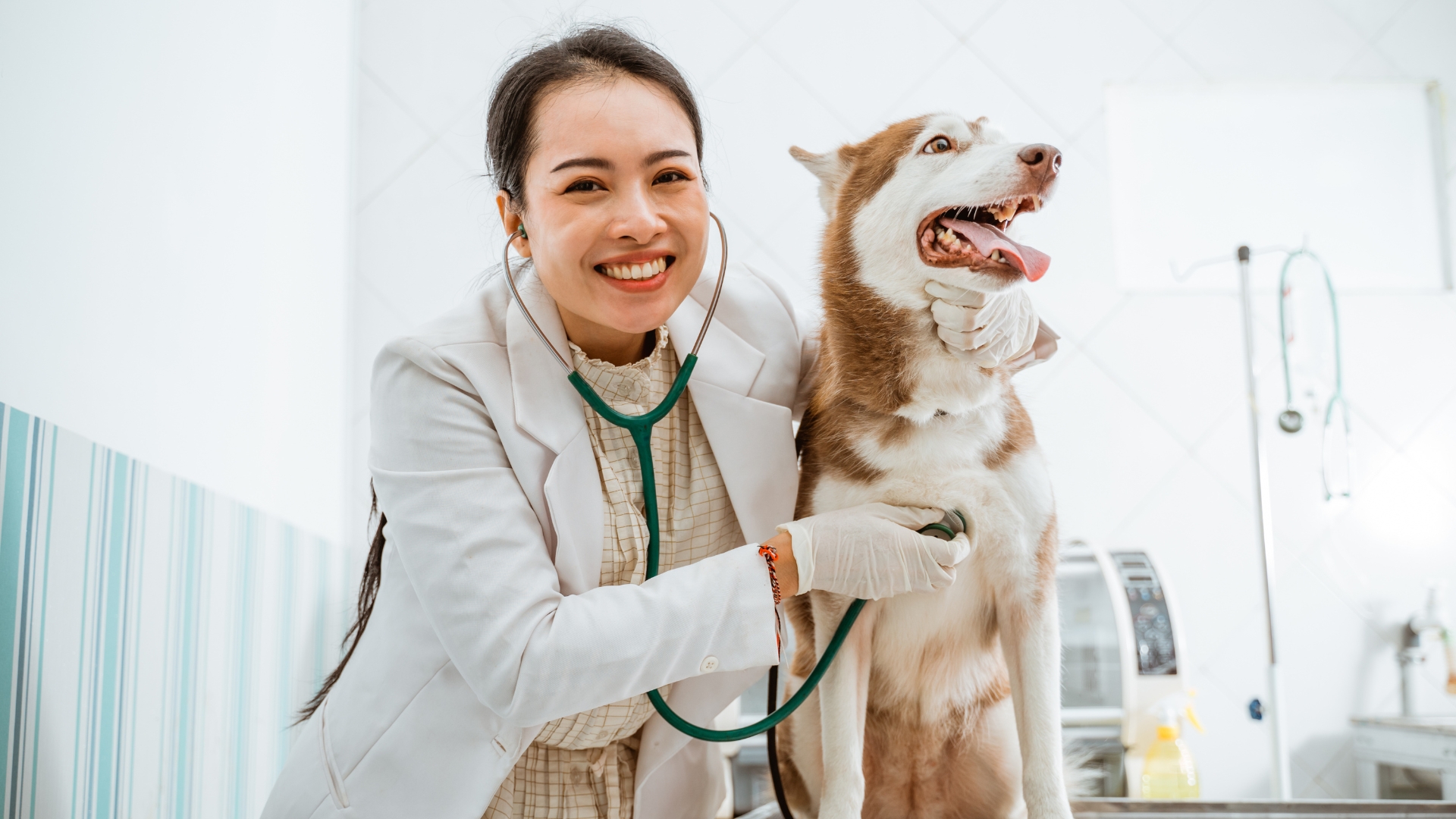
Veterinarians play a crucial role in our society, not only ensuring the health and well-being of animals but also safeguarding public health. Their expertise bridges the gap between animal care and human health, making their work indispensable. Let’s dive into the multifaceted world of veterinarians and explore how they protect both animals and people.
The Role of Veterinarians
Primary Responsibilities
Veterinarians are often the first line of defense against animal illnesses and injuries. They are trained to diagnose and treat a variety of conditions in pets, livestock, and wildlife. This involves everything from routine wellness checks to complex surgeries. For many pet owners, veterinarians are their trusted advisors on the health and well-being of their beloved companions.
Specializations
The field of veterinary medicine is diverse. Veterinarians may choose to focus on small animals, such as cats and dogs, or large animals like horses and cattle. There are also those who specialize in exotic animals, including reptiles, birds, and small mammals. Additionally, veterinary surgeons are experts in performing intricate procedures, often working alongside other specialists to ensure comprehensive care.
Education and Training
Educational Requirements
Becoming a veterinarian requires extensive education. It starts with obtaining a bachelor’s degree in a relevant field, followed by earning a Doctor of Veterinary Medicine (DVM) degree from an accredited veterinary school. After graduation, new veterinarians often complete internships or residencies to gain hands-on experience in their chosen specialties.
Continuous Learning
The field of veterinary medicine is constantly evolving. Veterinarians must stay abreast of new developments through continuing education and specialized certifications. This ongoing learning ensures they can offer the best possible care and adopt the latest advancements in treatment and technology.
Veterinarians and Public Health
Disease Prevention
Veterinarians play a vital role in preventing diseases that can be transmitted from animals to humans, known as zoonotic diseases. They implement vaccination programs, monitor outbreaks, and educate the public on preventive measures. This proactive approach helps reduce the risk of zoonotic diseases and contributes to overall public health.
Food Safety
Veterinarians are also instrumental in ensuring the safety of the food supply. They inspect animal products, monitor food processing facilities, and work to prevent foodborne illnesses. Their work helps ensure that the food reaching our tables is safe and free from contaminants.
Emergency Care
Handling Urgent Situations
Emergencies can arise at any time, and veterinarians are trained to handle a wide range of urgent situations. Emergency clinics are equipped to deal with everything from traumatic injuries to sudden illnesses. The quick response of veterinarians in these situations can be life-saving for animals.
Disaster Response
Veterinarians also play a crucial role in disaster response, whether it’s a natural disaster or a man-made crisis. They help rescue and care for displaced animals, manage disease outbreaks, and provide essential support to affected communities.
Animal Welfare and Ethics
Promoting Animal Welfare
Veterinarians advocate for the humane treatment of animals and work to ensure high standards of animal welfare. They educate the public on responsible pet ownership, promote proper care practices, and support initiatives aimed at improving the lives of animals.
Ethical Dilemmas
Veterinary professionals often face challenging ethical dilemmas, such as decisions regarding euthanasia and end-of-life care. Balancing medical options with the financial constraints of pet owners requires compassion and sensitivity. Veterinarians must navigate these issues with care and professionalism.
The Human-Animal Bond
Impact on Pet Owners
The bond between humans and animals is profound. Veterinarians not only provide medical care but also support this emotional connection. They understand the psychological and emotional benefits pets bring to their owners and strive to enhance this bond through their care and support.
Community Outreach
Veterinarians engage in various community outreach activities, including educational programs and collaborations with animal shelters. These efforts help raise awareness about animal health, promote responsible pet ownership, and support local animal welfare organizations.
Challenges Facing Veterinarians
Workplace Challenges
The veterinary profession is demanding, and veterinarians often face high levels of stress and burnout. Managing a heavy caseload, dealing with difficult cases, and handling emotional situations can take a toll on their well-being. Support systems and coping strategies are essential to help veterinarians manage these challenges.
Financial and Administrative Issues
Veterinary care can be expensive, and veterinarians often grapple with financial and administrative issues. The cost of medical treatments, insurance, and billing can create challenges for both veterinarians and their clients. Finding ways to balance quality care with affordability is an ongoing concern.
The Future of Veterinary Medicine
Technological Advances
The future of veterinary medicine is bright, with technology playing a significant role. Telemedicine, digital diagnostics, and advanced treatments are transforming how care is delivered. These innovations enhance diagnostic accuracy, improve treatment outcomes, and increase accessibility for pet owners.
Emerging Trends
Integrative medicine, which combines traditional and complementary therapies, is gaining popularity in veterinary practice. Additionally, ongoing research continues to drive advancements in veterinary science, leading to new treatments and approaches to animal care.
Conclusion
Veterinarians are essential guardians of animal and human health. Their expertise, compassion, and dedication contribute significantly to the well-being of animals and the safety of our communities. As they navigate the challenges of their profession and embrace future advancements, veterinarians will continue to play a pivotal role in protecting and enhancing the lives of both animals and people.